
Revealing 5 types of camera lenses and the most suitable selection criteria
The camera lens is an external attachment, which is easy to remove, install and change according to the needs of use. There are a variety of lenses with different focal lengths. Understanding and choosing a suitable lens will help users get the perfect set of photos as they want.
How many types of camera lenses are there?
The camera lens directly affects the image processing, helping to focus light on the film or image sensor. Each type of lens will have characteristics suitable for different shooting requirements. Usually, the way to distinguish camera lenses is by focal length.
Normal lens
Normal (standard) is a form of lens with optical properties almost identical to that of the human eye. In other words, the photos taken with the standard lens are equivalent to what we see in the real world.
Structure
This is the lens with the most similar angle of view to the human eye of all camera lenses. A normal lens has a focal length equivalent to the diagonal of the film frame or the camera's sensor. For example, with a 35mm film camera, the size of the film frame is 24mm x 36mm, the diagonal is 43mm, the average focal length is from 45mm - 55mm.
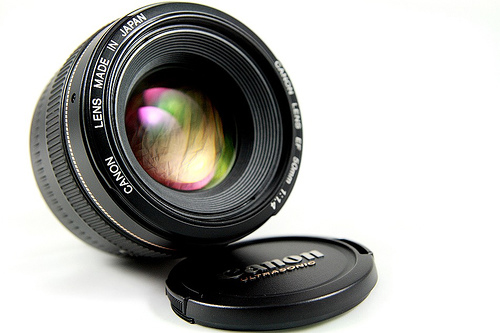
Normal lenses have the most similar viewing angle to the human eye among camera lenses
Characteristic
The average camera lens has the usual standard, giving it a natural feel. Specifically, it has the following characteristics:
- Compact design
- Can create high resolution for photos
- The viewing angle is about 45 degrees
- Maintain the same aspect ratio of the scene and subject
- Does not cause much distortion of the image
- Wide aperture around f/1.4 or f1.8
- Can remove background
Application
Normal lenses are considered versatile as they can be used with all types of photography. It can be used for portrait, street, landscape, food, etc.
Wide-angle lens
Wide-angle camera lenses are one of the types of photographers trusted by their wide field of view and the ability to “catch” a lot of details.
Structure
Wide angle lenses have a smaller focal length than normal lenses, typically 40mm - 58mm long. When using a full frame lens mounted on a crop camera, it will be able to open a large angle of view. Usually, it is divided into 3 types: wide angle, super wide angle and ultra wide angle.
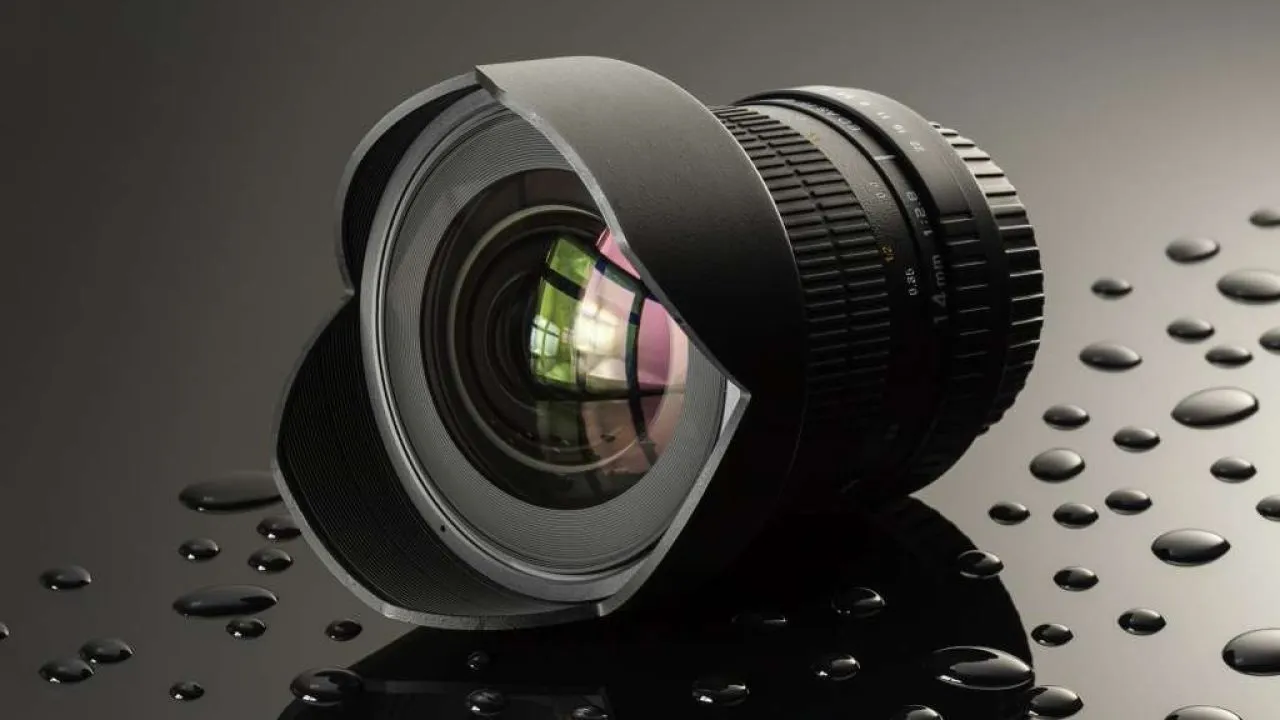
Wide lenses are divided into 3 different categories
Characteristic
For wide-angle camera lenses, small changes in the shooting angle can make a difference, even distorting the image. This type of lens includes the following features:
- Image acquisition angle from 60 degrees and up to 180 degrees
- Deep doF image area
- Can increase prominence for nearby subjects
- Make a big difference between the foreground and the background
- Diagonal is the strongest element in a wide lens's angle of view
- Easily distort images, especially round subjects, frame edges, ..
Application
Canon, Sony wide-angle lenses … are devices that are widely used by photographers in scene photography. Wide angle is especially suitable for architecture, landscape photography.. When using this type of lens, the photographer does not need to move much and still captures panoramic photos, capturing as much detail as possible. for your frame.
Telephoto lens (long focal length lens)
It may sound strange, but Tele is the "name" many photographers need to equip because of its "super" close-up ability. On the market today, this type of lens is divided into 3 main types including:
- Short telephoto lens : Has a focal length between 85mm - 135mm, compact design, easy to carry when working outdoors for a long time
- Medium telephoto lens: Focal length between 135mm – 300mm, large size and heavier than short telephoto
- Super telephoto: A focal length of about 300mm or more, large in size and heavy, so often comes with its own tripod.
Structure
Telephoto lenses have a larger focal length than normal lenses. The construction of the telephoto lens offers a narrow to very narrow angle of view, which means it magnifies small objects to become larger. The longer the focal length, the greater the gain and vice versa.
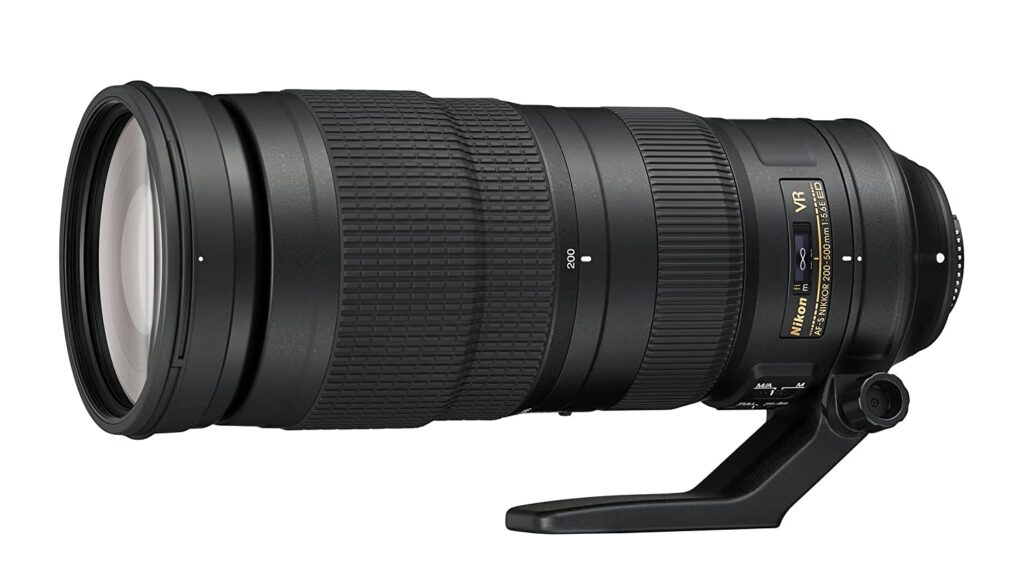
Telephoto lenses have a larger focal length than normal lenses
Characteristic
Telephoto lenses have many interesting properties such as:
- Longer and heavier design than other hoses
- Great image gain
- Thin clear image area
- Can separate the subject and remove the font
- As the focal length becomes larger, the depth of the image will decrease.
Application
A telephoto lens can allow a photographer to capture subjects that are far away or not easily accessible, such as animals, sports or astrophotography. Besides, Tele is also used to capture small and micro details in the field of product photography , architecture, portraits, etc.
Zoom lens (multifocal)
Zoom, also known as a multifocal lens, allows users to customize the fx length without changing lenses. This is the reason that Zoom is so popularly used today.
Structure
Zoom lenses are assembled from many different sets of lenses. Depending on the change in focal length it is called wide-zoom (short range); tele-zoom (long range) and zoom (short to long). When using, users can flexibly change the type of lens at will.
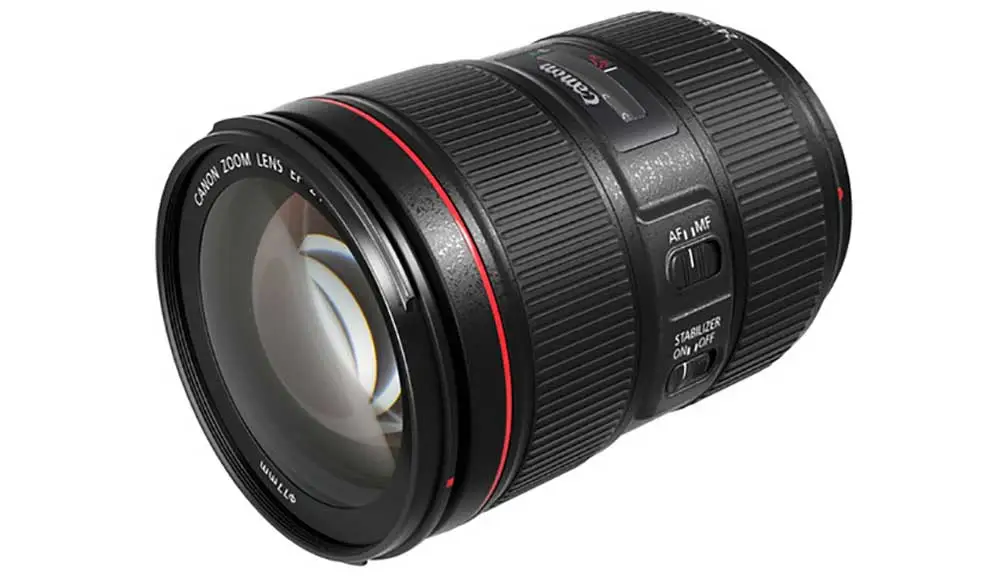
Users can flexibly change the zoom lens type at will
Characteristic
Zoom lenses have the following characteristics:
Versatile range of focal lengths, from 18mm – 300mm
The ability to zoom in or zoom out is impressive.
Application
From its impressive zoom capability, this lens is widely used in landscape photography, portraiture, sports, etc. In particular, it can also become a telescope lens used in astronomy when it has a large magnification, "captures" into the frame the details at a great distance.
Special lenses
Called special lenses because they include both Macro and Fisheye lenses.
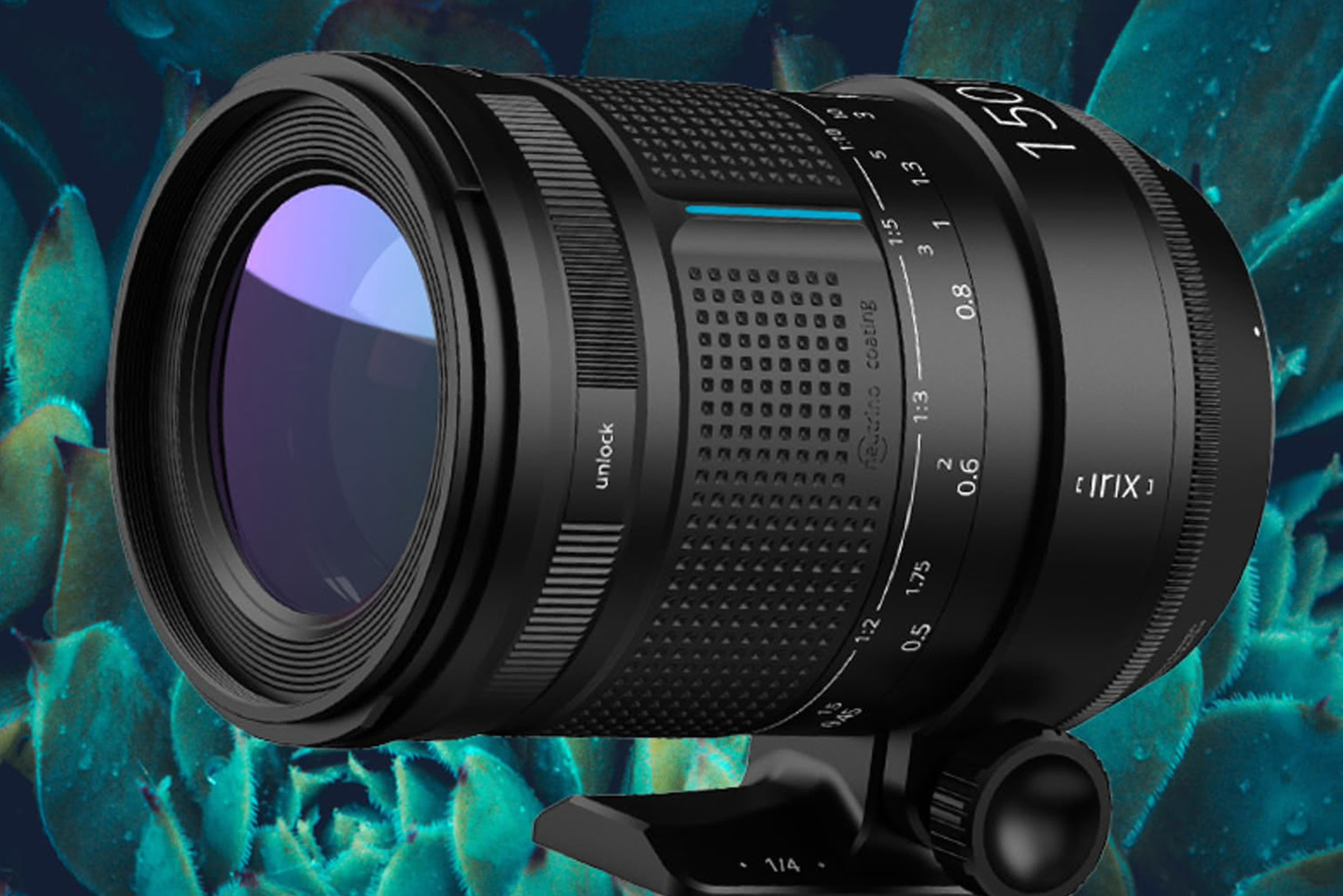
Special Macro lens when it is possible to take pictures at close range
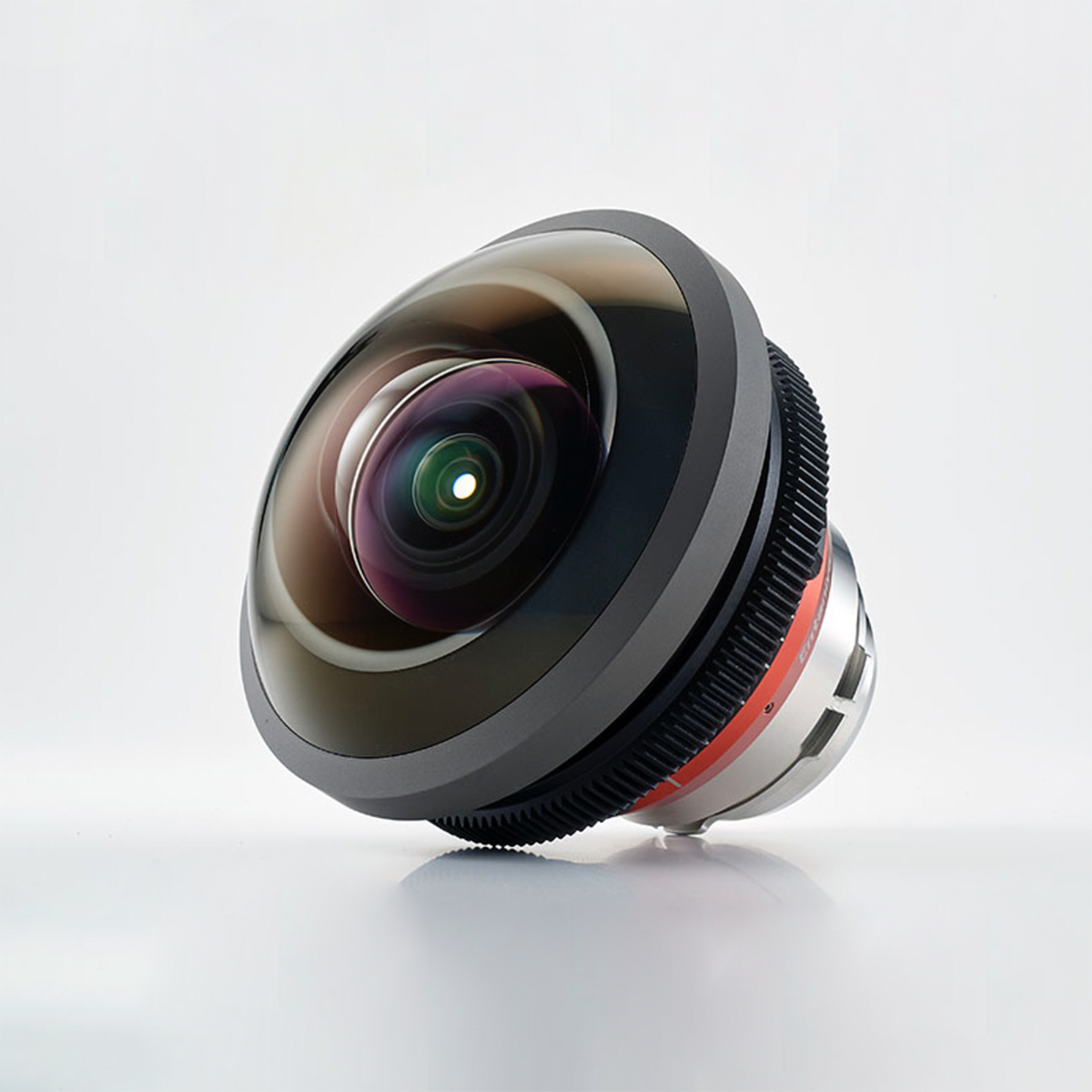
Special Fisheye lens that can capture ultra-wide images
Structure
The special lens is equipped with unique effects, making the photo full of art. Macro designs a focal length (usually 50mm, 60mm, 90mm, 100mm, 105mm or 200mm) with the ability to focus at close distances (from a few centimeters) to create high definition images. Meanwhile, Fisheye, also known as the ultra-wide angle that "pursues" a panoramic view or a special spherical image, produces a full-frame fisheye image with a 180-degree field of view that most mainstream lenses can't afford. normal standards cannot do.
Characteristic
For Macro lenses:
- Focusable at about 1cm to infinity
- Magnification ratio at close range is 1:2, 1:1 to 10:1 or even 20:1
- Narrow depth of field (small focus area).
For Fisheye lenses :
- Has a focal length of less than 20mm, usually only at 8mm, 10mm, 15mm (converted on 35mm film camera)
- Causes distortion. The smaller the focal length, the greater the distortion
- Can bend straight lines into curves and vice versa.
Application
Macro lenses are widely used in product photography, animal photography, etc., especially small objects. For Fisheye, it is used a lot in astrophotography, sports or interesting, funny everyday photos, etc.
The above 5 camera lenses are not only used for taking pictures but also for quality video recording lenses . Each type will have different characteristics and applications. Users need to learn the details before making a purchase decision.
In addition, choosing a quality camera lens is also based on many factors, including the basic criteria that "people in the industry" always focus on.
Criteria to keep in mind when choosing a camera lens
Finding a suitable lens is especially important, it will make it easy for photographers to get satisfactory photos. When choosing, it is necessary to pay attention to the structure of the camera lens , namely the focal length, aperture, anti-shake, ..
Focal distance
Focal length is the distance between the optical center and the focal point, representing the angle of view in the lens. This is the number before the mm line. The machine's sensor will directly affect these numbers. The smaller the number, the wider the viewing angle, the more the image is obtained and vice versa. It should be noted, if the lens shows two numbers like 18-15mm, it is a zoom lens. If it is one then it is fixed and cannot be changed.
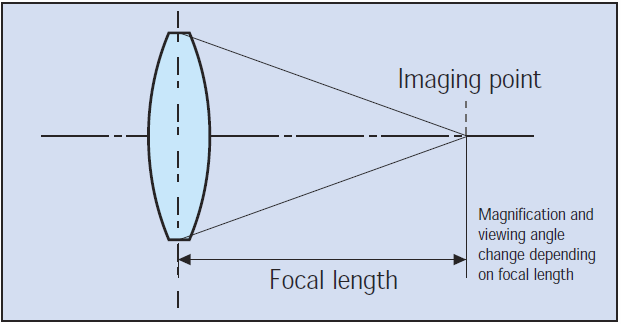
The smaller the number, the wider the viewing angle, the more photos you get and vice versa
Aperture
Aperture represents the maximum amount of light that the lens can capture. Or to be precise, this is the aperture of the lens. For example, with an 18-50/F2.8 lens, the focal length will reach 18-50mm and the maximum aperture is F2.8.
Openness can be achieved in many different ways. In addition to FX, which is the most common, there are also f/X, 1:X, .. If the smaller X, the larger the camera lens opens, capturing more light and vice versa.
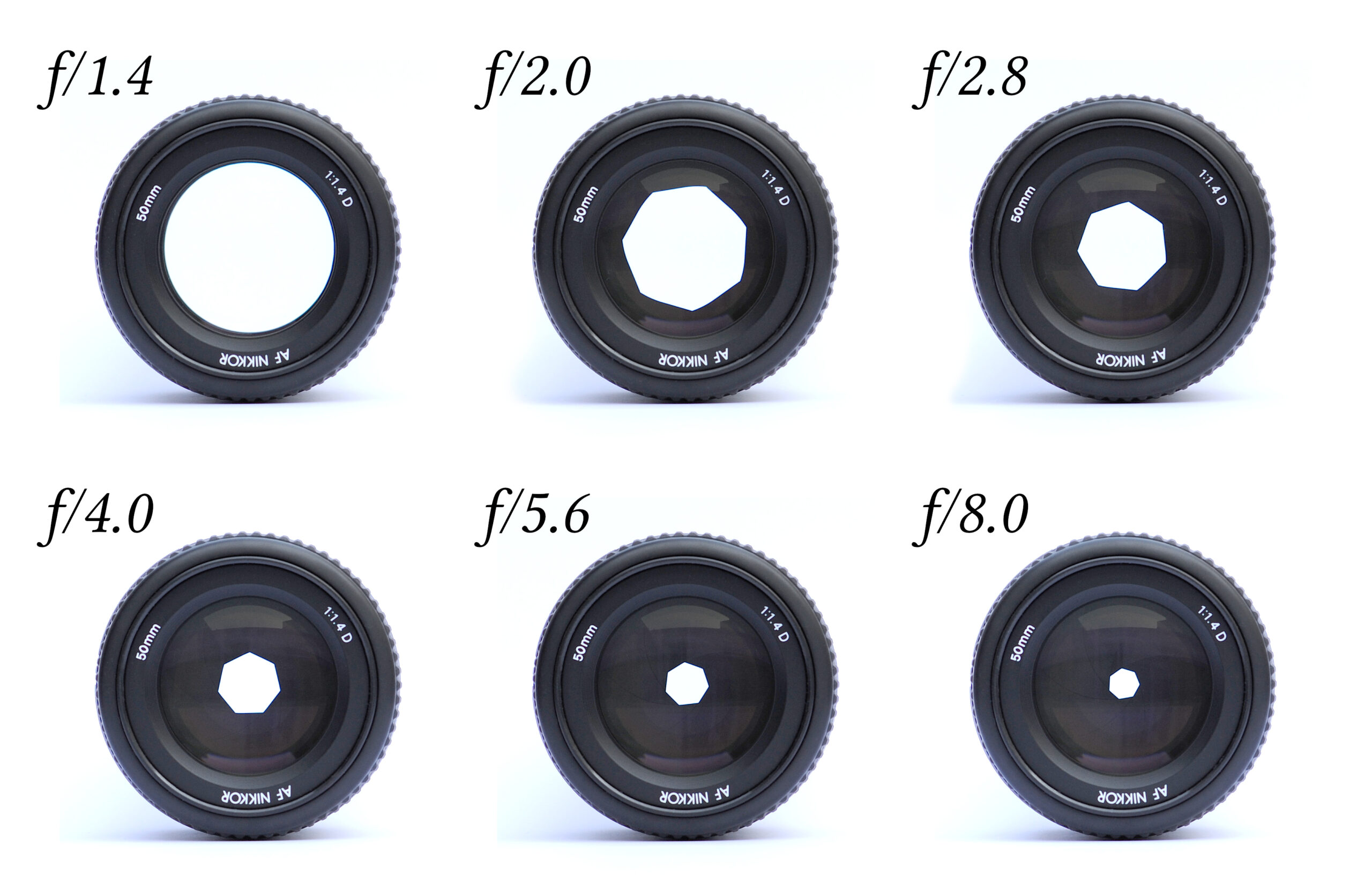
The smaller the X, the larger the lens opens, capturing more light and vice versa
Image Stabilization
The level of image stabilization is very important when choosing a lens. Because this factor is completely directly related to the clarity of the image. It works on a slow shutter speed mechanism (in low light environments) to reduce blur. You can also purchase additional camera shakers to ensure better image quality.
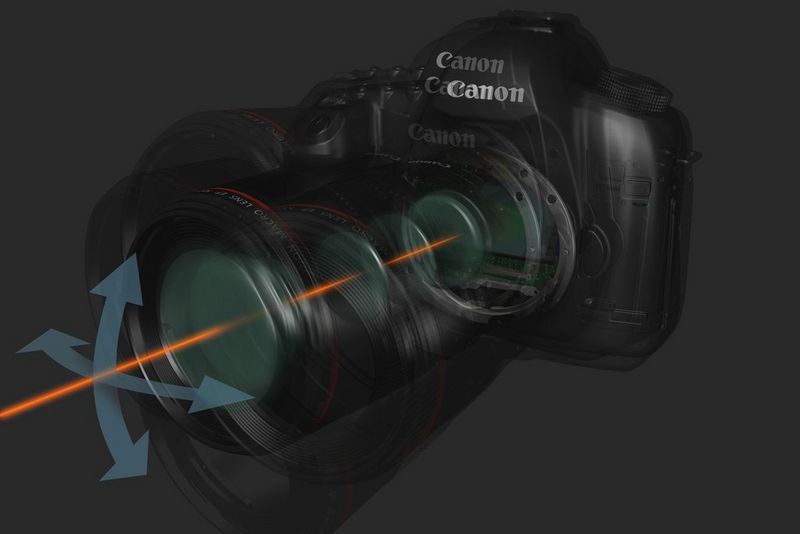
This feature uses a slow-close shutter speed mechanism to reduce blur and blur
Currently, there are many camera manufacturers equipped with this function with different names, for example:
- Sony: Super Steady Shot – SSS with Alpha and Optical Steady Shot – OSS with Nex
- Canon: Image Stabilization – IS
- Nikon: Vibration Reduction – VR
- Sigma: Optical Stabilization – OS
- …
Sensor Format
Most DSLR cameras use the APS-C sensor system with a size of 24 x 16mm. Currently, all major manufacturers have equipped APS-C, so buyers can rest assured to choose. For example: Sony – DT; Canon – EF-S; Nikon-DX,..
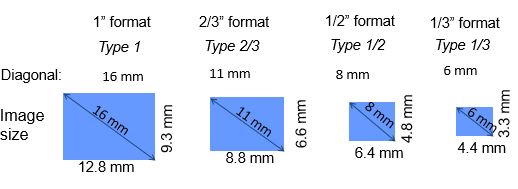
All major brands are equipped with APS-C such as: Sony – DT; Canon – EF-S,..
Lens mount
The camera lens mount is the locking pin when attaching the lens to the camera. It represents the compatibility of the lens with the camera.
Usually, each brand will often produce a separate type of mount, so it is important to choose the right one. For example, Canon lenses cannot be attached to Sony bodies or the like.. However, if you want, users can still use an adapter to connect.
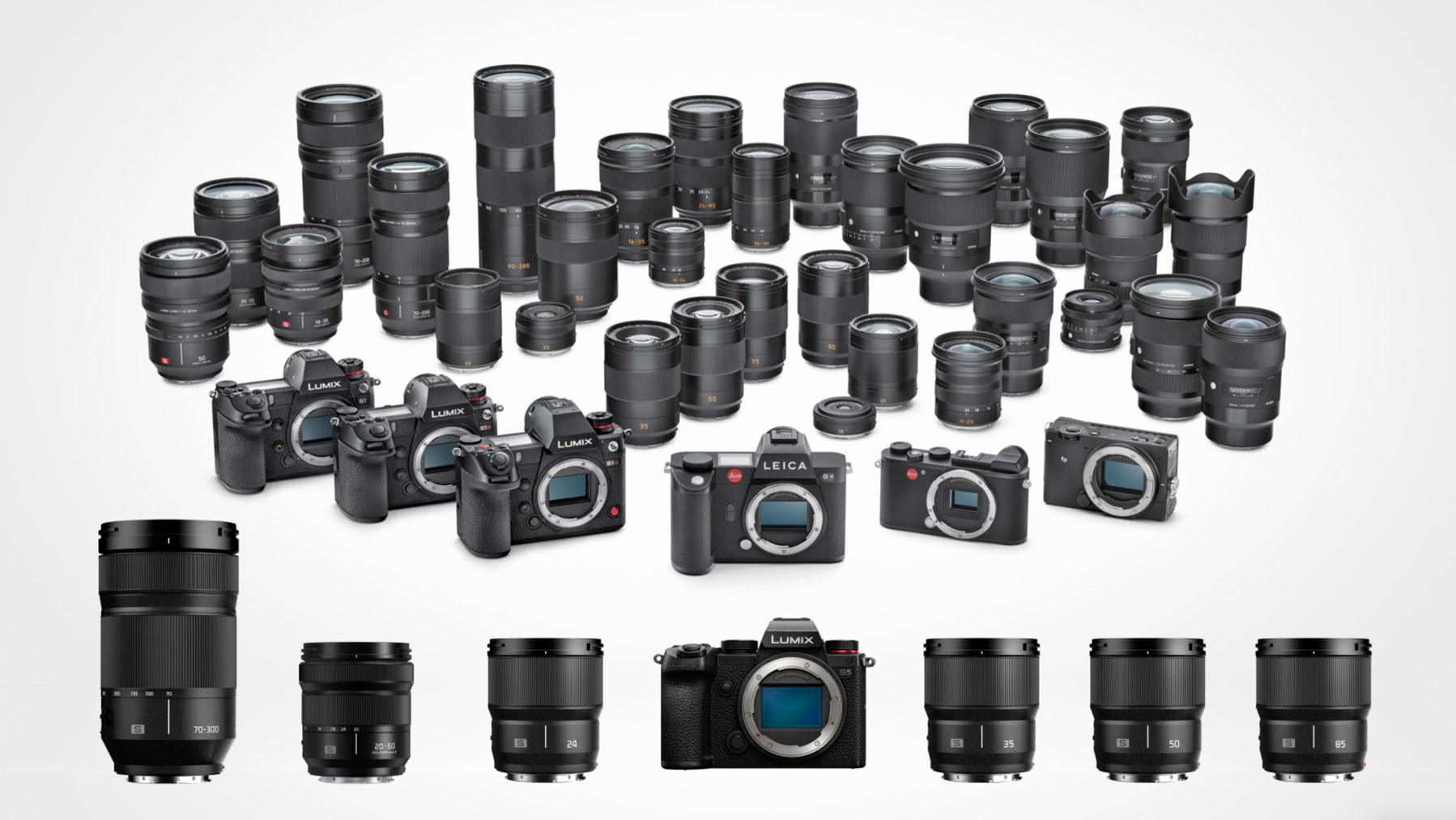
Users can use it synchronously or use an adapter to connect
Auto focus
Autofocus is very useful, especially for newbies to the camera. Usually there are 3 ways to autofocus:
- Screwdriver : This is the way to focus on old models, using the focus motor on the body
- Micro Motor : Focus using the small motor inside. This type of lens with this feature is quite cheap
- Ultrasonic : Focused by ultrasonic motor. This is a special feature for high-end lenses, it helps to capture good focus but does not cause noise.
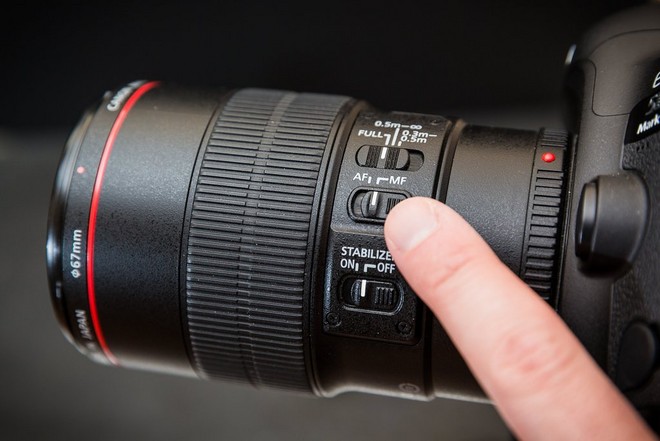
Autofocus mode is especially useful for newbies
Pipe quality and weather adaptability
Expensive camera lenses are sure to deliver good quality. In addition to focusing, zooming, etc., being able to resist adverse weather is something that users should invest in. It will help protect from dirt, rain, etc. and increase the life of the lens.
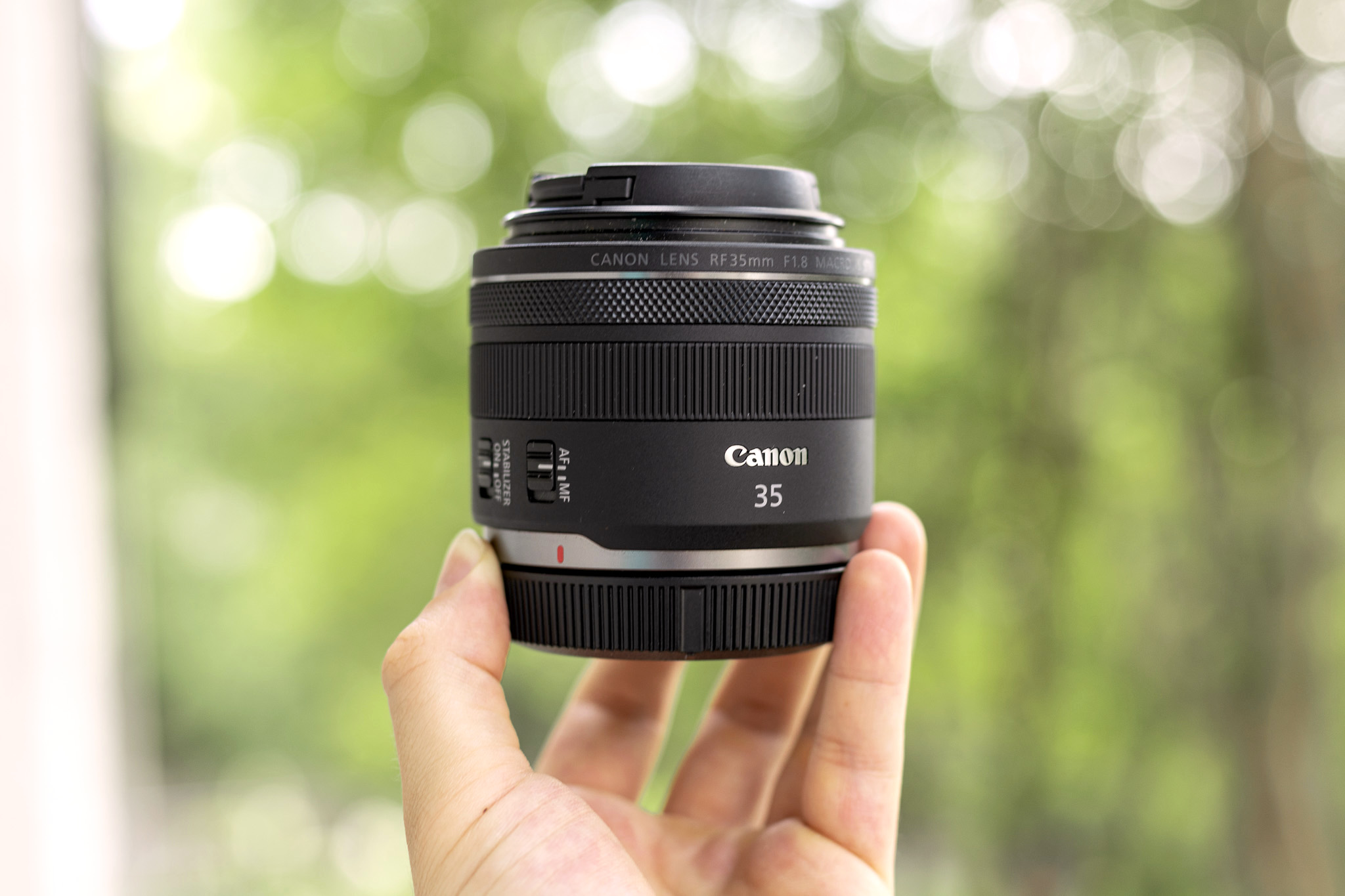
Autofocus mode is especially useful for newbies
Thus, with the above criteria, users can base themselves on and choose the best lens line by themselves. In addition, consider the purpose and conditions of use to choose a suitable lens model. Especially newbies when looking to buy camera lenses will have the following important points to pay attention to:
- The 50mm f/1.8 lens is considered suitable for low-light photography, portraits or pet photography.
- Wide angle lens should be used for landscape photography, virtual life or travel
- If you need to photograph subjects that are far away, in constant motion such as athletes, animals, vehicles, etc., a telephoto lens will be a great suggestion.
Currently, camera lens manufacturers are diverse with different segments, such as Canon, Panasonic, Nikon, Leica, etc. Do not forget to carefully refer to the price, parameters and advantages - limit each category to choose the most suitable one. At the same time, users should know operations such as cleaning the lens , how to fix a camera with a stuck lens , etc. during use to ensure better camera quality during use.
The camera lens is an indispensable "magic eye", contributing to improving image quality. Currently, there are hundreds of types of lenses from basic to advanced, meeting many different photography needs. In addition to the price, users should learn more about its other characteristics to make the right, most suitable choices.
Investing in photographic equipment is important to improve image quality. It is also a good way for you to improve your "skills". But if you intend to enhance your images to the next level, high quality, stunning and vibrant, visit Egecko Team . With a team of highly specialized staff, creative spirit and enthusiasm will definitely bring the best real estate photo editing services to you.
Hi, this is a comment.
To get started with moderating, editing, and deleting comments, please visit the Comments screen in the dashboard.
Commenter avatars come from Gravatar.